What is Automotive Interior Injection Plastic Part Molding?
Automotive Interior Injection Plastic Part Molding is a crucial process in the automotive industry. This technique involves creating various components that make up a vehicle's interior, from dashboards to center consoles. One of the industry experts, Dr. Laura Chen, emphasizes its importance: "The quality of interior plastic parts defines the driving experience."
This method allows manufacturers to produce parts with high precision and consistency. The flexibility of injection molding enables complex shapes that meet aesthetic and functional needs. However, the process isn't without challenges. Issues like material selection and design flaws can arise, leading to wasted resources.
Additionally, the environmental impact of plastic use in vehicles is an ongoing concern. Many companies are now exploring sustainable materials. The evolution of Automotive Interior Injection Plastic Part Molding reflects not only technological advancements but also a growing responsibility towards eco-friendly solutions. It’s essential for experts and manufacturers to keep assessing practices for durability and sustainability in this dynamic field.
Definition of Automotive Interior Injection Plastic Part Molding
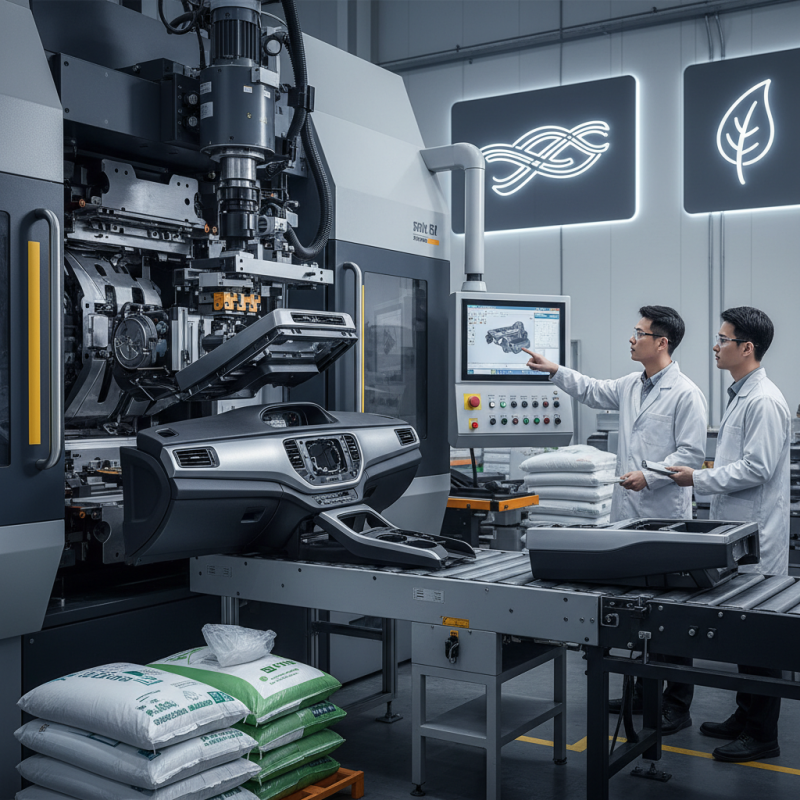
Automotive interior injection plastic part molding is an essential process in the automotive industry. It involves creating detailed plastic components used in vehicle interiors. These parts range from dashboard panels to door handles. The process is efficient due to its capability to produce complex shapes with high precision.
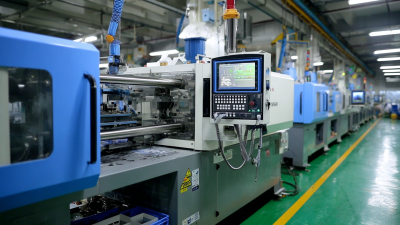
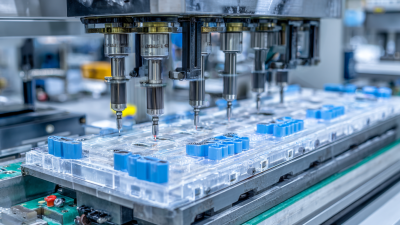
The injection molding process begins with melting plastic pellets. Once melted, the plastic is injected into a mold. After cooling, the mold is opened, and the finished part pops out. This method offers excellent repeatability and scalability. Manufacturers can produce thousands of identical parts quickly. Attention to detail in mold design is crucial for achieving high-quality outcomes.
Tips: Consider the material selection carefully. Different plastics can affect the durability and aesthetics of the part. Always conduct thorough testing on samples before full production. It’s a good practice to reflect on the design phase. Are there any potential improvements in efficiency or functionality that can be made? Regular feedback from production can lead to better results.
Understanding the Injection Molding Process in Automotive Interiors
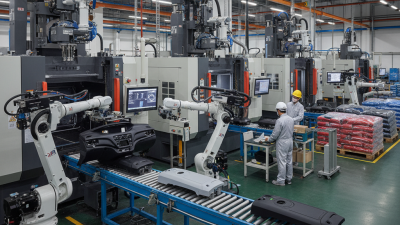
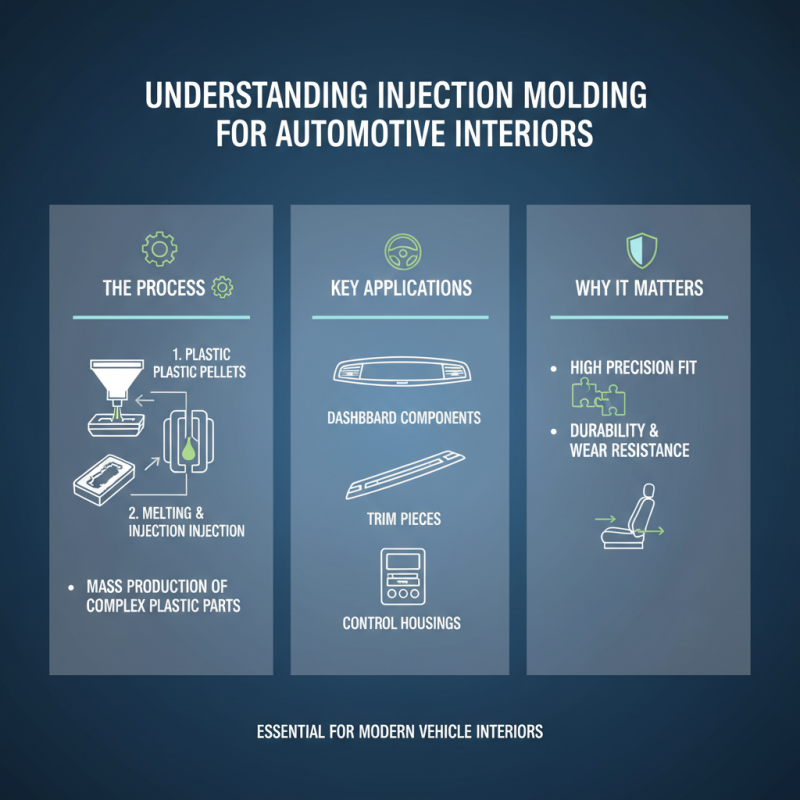
Injection molding plays a crucial role in automotive interiors. This process allows for the mass production of complex plastic parts used in vehicles. The automotive sector relies on injection molding for dashboard components, trim pieces, and housing for controls. High precision is necessary, as these parts must fit seamlessly and withstand wear over time.
During injection molding, raw plastic pellets are heated until they melt. The molten plastic is then injected into molds under high pressure. Cooling follows, solidifying the plastic into the desired shape. This method offers efficiency and versatility. However, achieving consistency can be challenging. Temperature control and proper material selection are essential to avoid defects. Flaws can lead to costly rework and delays.
Several factors influence the injection molding process. Mold design, machine settings, and material type must align correctly for optimal results. The importance of detailed planning cannot be overstated. Even minor oversights can lead to significant issues. Manufacturers continue to reflect on ways to enhance the process, ensuring better quality and sustainability in automotive interior components.
Materials Used in Automotive Interior Injection Molding
Automotive interior injection molding relies on a variety of materials tailored for specific applications. Polypropylene (PP) is among the most widely used plastics in this sector. The lightweight nature of PP makes it suitable for components like door panels and dashboards. It offers excellent resistance to impact and chemicals, which is crucial for the demanding automotive environment. According to a recent market report, the global automotive plastic market is projected to reach $42 billion by 2027, with a significant portion attributed to interior applications.
Another important material is acrylonitrile-butadiene-styrene (ABS). ABS is favored for its durability and aesthetic qualities. It is often utilized in trim pieces and consoles due to its ability to be easily painted and finished. Industry insights reveal that ABS accounts for over 25% of the total automotive interior plastics market, highlighting its significance. However, its environmental impact poses a challenge. The recycling rates for ABS remain low, prompting concerns about sustainability and waste management in automotive manufacturing.
Polycarbonate (PC) is also gaining traction in automotive interiors. Known for its high strength and transparency, PC is used in applications where safety and visibility are key, such as sunroofs and instrument panels. Despite its advantages, the high cost of polycarbonate can be a barrier. Manufacturers often grapple with the trade-off between quality and affordability, reflecting the ongoing challenges in material selection for automotive interiors.
Applications and Benefits of Injection Molded Plastic Parts
Automotive interior injection molding has revolutionized the design and production of car interiors. This process allows for the creation of precise and complex plastic parts used in dashboards, door panels, and seat cushions. By utilizing injection molding, manufacturers can produce parts that are lightweight, durable, and aesthetically pleasing. The injection molding process also allows for the incorporation of advanced features, such as integrated electronics and custom textures.
Moreover, the benefits of injection molded plastic parts are significant. They enhance vehicle design flexibility and can be produced with a variety of materials, enhancing multi-functionality. Due to lower production costs and reduced waste material, manufacturers can also achieve greater efficiency. Importantly, these parts often require less assembly time, streamlining the manufacturing process.
Tips: When selecting materials for injection molded parts, consider their weight and strength. Opt for materials that meet safety standards and can withstand temperature extremes. Always test prototypes before mass production; it saves both time and money. Reflect on the design aspects that may impact user experience, like comfort and ergonomics. Remember, each detail counts.
Applications and Benefits of Injection Molded Plastic Parts in Automotive Interiors
Quality Control and Testing in Injection Molding for Automotive Interiors
Quality control in automotive interior injection plastic part molding is crucial. Each molded part must meet specific standards and tolerances to ensure safety and functionality. During production, a sample of parts undergoes rigorous inspection. These parts are evaluated for dimensional accuracy, surface finish, and structural integrity. Any defects can lead to significant issues down the road.
Testing plays a vital role in maintaining quality. Tests include impact resistance and environmental endurance. These assessments simulate real-world conditions to verify that parts can withstand stress. The process is not infallible. Occasionally, unexpected defects may slip through, leading to recalls or repairs. Continuous refinement of testing methods is essential for improvement.
Moreover, documentation of quality checks fosters accountability. Teams must carefully record results for traceability. This helps in identifying trends and addressing recurring problems. Despite advancements in technology, human oversight is still necessary. A combination of automated checks and expert evaluation enhances reliability. Regular training for personnel can mitigate errors and improve outcomes.