Top 5 Benefits of Motorcycle Plastic Injection Molding for Your Business
The motorcycle industry has experienced remarkable growth over the last few years, with the global motorcycle market projected to reach
$135 billion by 2025, driven by rising demand for two-wheeled vehicles in urban areas.
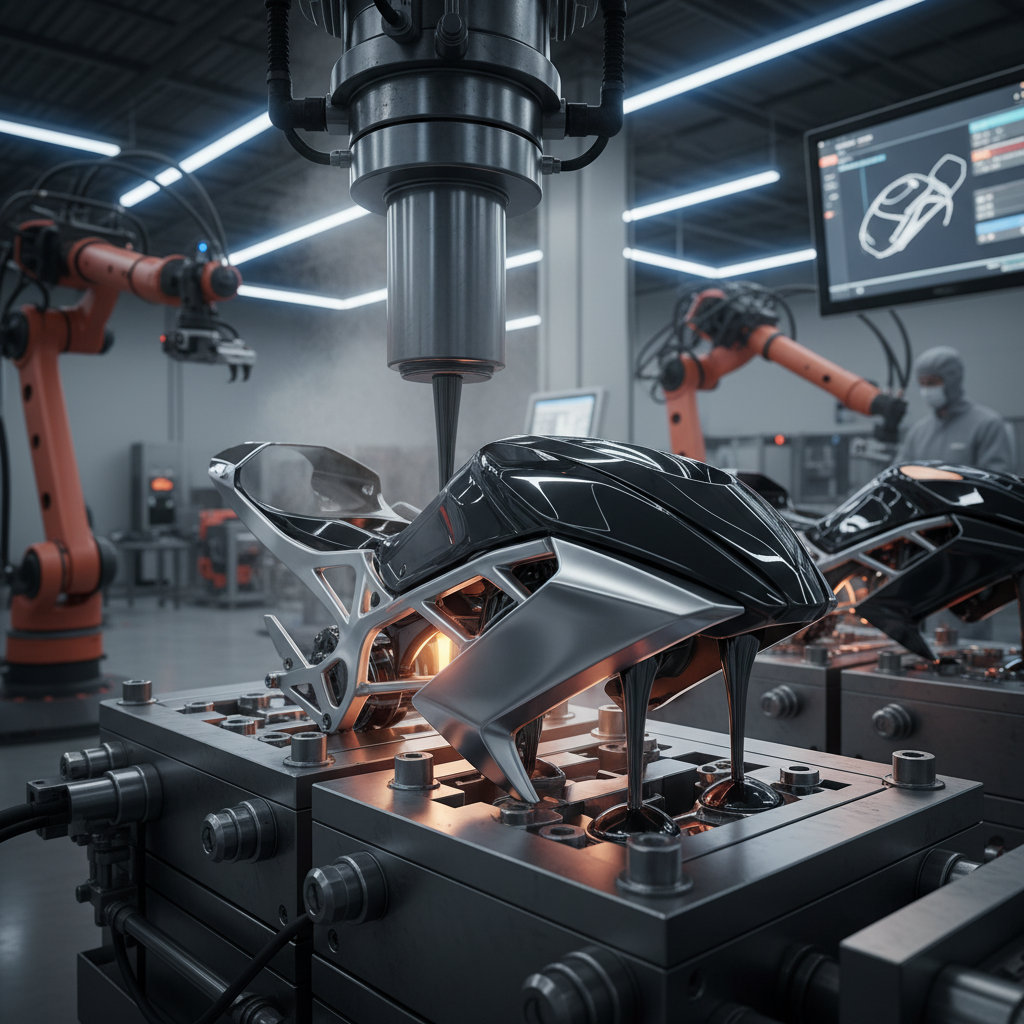
A significant contributor to this growth is the advancement of manufacturing techniques, notably Motorcycle Plastic Injection Molding.
This innovative process not only enhances production efficiency but also offers a plethora of benefits that can help businesses stay competitive in a rapidly evolving market.
According to industry expert Dr. Jonathan Ryder,
"Motorcycle Plastic Injection Molding not only streamlines production but also provides superior design flexibility, allowing manufacturers to create more intricate and lightweight components that are crucial for modern motorcycle designs."
As businesses increasingly turn to sustainable and cost-effective manufacturing solutions, understanding the advantages of
Motorcycle Plastic Injection Molding becomes essential for those looking to thrive in this dynamic industry.
This article will explore the top five benefits of this cutting-edge manufacturing technique and how it can transform your business operations.
Maximizing Production Efficiency with Motorcycle Plastic Injection Molding
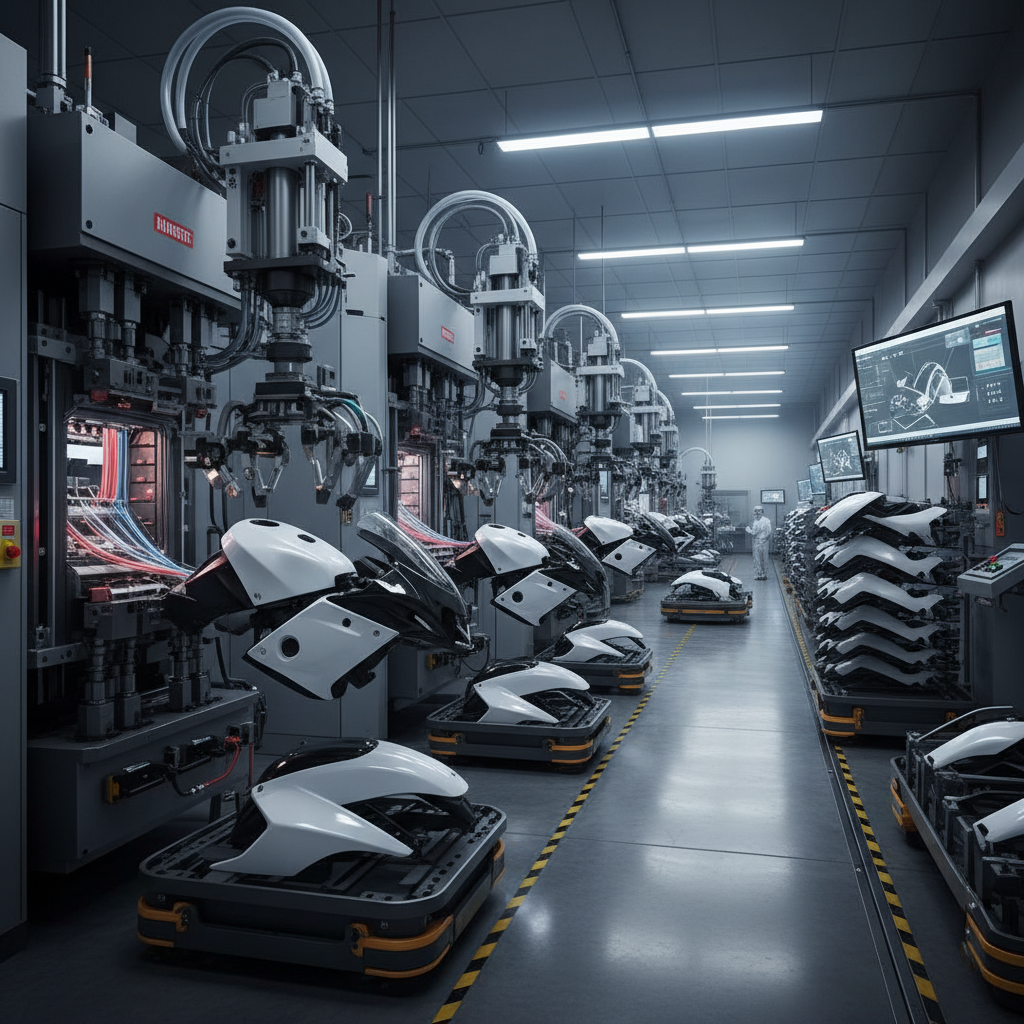
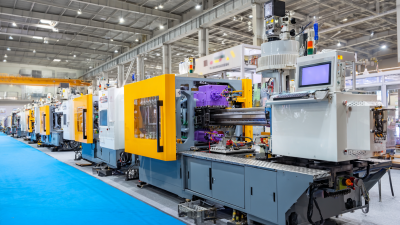
Motorcycle plastic injection molding is an essential process for manufacturers aiming to maximize production efficiency. This method not only reduces cycle times but also minimizes waste, allowing businesses to scale production without sacrificing quality. By utilizing advanced technologies in injection molding, companies can streamline their operations, resulting in faster turnaround times for motorcycle parts and accessories.
Tips for achieving optimal efficiency include selecting the right materials that not only meet durability standards but also allow for quicker molding cycles. Additionally, investing in high-quality molds will ensure consistency across large production runs. Regular maintenance of mold and equipment is crucial to prevent downtime and maintain the flow of production.
Another effective strategy is to implement just-in-time (JIT) manufacturing principles. This approach can minimize inventory costs and ensure that products are created as needed. By closely monitoring production schedules and lead times, companies can respond promptly to market demands, enhancing overall productivity and customer satisfaction.
Cost-Effective Solutions: How Injection Molding Reduces Manufacturing Expenses
Injection molding has emerged as a revolutionary technology for manufacturing motorcycle components, offering
cost-effective solutions that significantly reduce production expenses. According to a report by the American Society of Mechanical Engineers (ASME),
injection molding can lower manufacturing costs by up to 30% compared to traditional machining processes. This is primarily due to the high efficiency and low waste
associated with plastic injection molding, which allows businesses to produce large volumes of motorcycle parts with minimal material loss.
To maximize the benefits of injection molding, businesses should consider optimizing their design for manufacturability. By collaborating with engineers
to simplify designs and reduce part complexity, companies can enhance production efficiency and lower costs even further. Additionally, selecting the right materials can dramatically affect the price
and performance of the final product. A study published in the Journal of Manufacturing Science and Engineering indicates that the choice of material can influence production costs by as much as
20%.
Another key tip is to leverage advanced technologies, such as computer-aided design (CAD) and 3D printing for prototyping. These technologies enable faster
iterations and improved accuracy in part design, ultimately leading to more competitive pricing. In fact, a report from Deloitte indicates that early-stage prototypes can help in reducing overall project costs
by approximately 15%. By focusing on these strategies, businesses can fully harness the cost-saving potential of motorcycle plastic injection molding.
Enhancing Product Quality and Consistency in Motorcycle Parts Manufacturing
In the realm of motorcycle parts manufacturing, plastic injection molding has emerged as a game-changer, particularly in elevating product quality and consistency. This advanced technique allows businesses to produce intricate components with high precision, ensuring that every part meets stringent quality standards. By utilizing injection molding, manufacturers can create uniform components that fit seamlessly together, reducing the variability often seen in traditional manufacturing methods. This consistency is crucial for performance and safety, as even minor discrepancies can lead to significant issues on the road.
Moreover, the durability of injection molded plastics contributes to the overall quality of motorcycle parts. These materials are designed to withstand harsh environmental conditions, including extreme temperatures and moisture, which are common in motorcycle usage. The ability to produce lightweight yet robust components not only enhances the performance of the motorcycle but also contributes to fuel efficiency and ease of handling. As a result, businesses that invest in motorcycle plastic injection molding can ensure higher customer satisfaction, extending the lifespan and reliability of their products.
Strengthening Design Flexibility and Customization Opportunities
Motorcycle plastic injection molding offers significant advantages, particularly in enhancing design flexibility and customization opportunities. According to a report by Markets and Markets, the global plastic injection molding market is expected to reach $423.2 billion by 2026, driven largely by the demand for custom parts in the automotive sector. This growth indicates a rising trend where manufacturers can rapidly produce tailored components that fit specific design requirements, thereby catering to diverse consumer preferences.
Moreover, the technology behind plastic injection molding allows for intricate designs that were previously challenging to achieve with traditional manufacturing methods. Industries are increasingly adopting advanced 3D modeling and simulation techniques, which enable designers to visualize and refine their concepts before production. A survey conducted by the Society of Plastics Engineers revealed that over 70% of companies using injection molding reported enhanced ability to develop unique and innovative products that meet exact specifications. This capability not only boosts product differentiation but also strengthens brand identity in the competitive motorcycle market, ultimately fostering stronger customer loyalty.
Accelerating Time-to-Market for Motorcycle Components Through Injection Molding
In the fast-paced motorcycle industry, speed is essential. Injection molding has revolutionized the way motorcycle components are produced, significantly accelerating time-to-market. According to a report by the Plastics Industry Association, injection molding can reduce production times by up to 30% compared to traditional manufacturing methods. This efficiency is critical as manufacturers strive to meet the rising consumer demand for innovative designs and improved performance while maintaining a competitive edge.
Moreover, the precision of plastic injection molding contributes to reduced lead times and streamlined production processes. A study from the Society of Plastics Engineers indicates that with the adoption of advanced injection molding techniques, companies can expect up to a 40% reduction in prototype development time. By leveraging these benefits, motorcycle manufacturers can quickly adapt to market trends and introduce new models that align with consumer preferences. Utilizing injection molding not only optimizes production cycles but also enhances product quality, further solidifying a company’s reputation in the competitive motorcycle parts market.