What is Injection Molding and How Does it Benefit Your Business
Injection molding is a transformative technology in the manufacturing sector. It enables businesses to produce precision parts with remarkable efficiency. According to the Plastics Industry Association, the injection molding market is expected to hit $315 billion by 2025. This statistic highlights the growing reliance on injection molding across various industries, from automotive to consumer goods.
Businesses that adopt injection molding benefit from its ability to reduce waste and lower production costs. The method allows for high-volume production with minimal material wastage. However, challenges remain. Companies must invest in quality molds and stay updated on technological advances. As the market evolves, understanding these complexities is vital for success.
Moreover, injection molding can lead to innovation in product design. While it offers flexibility in shapes and materials, not all designs and specifications will translate into cost-effective manufacturing. Regularly evaluating production methods and designs is crucial to unlocking the full potential of injection molding. Embracing this approach can propel a business forward, aligning with modern manufacturing trends.
What is Injection Molding?
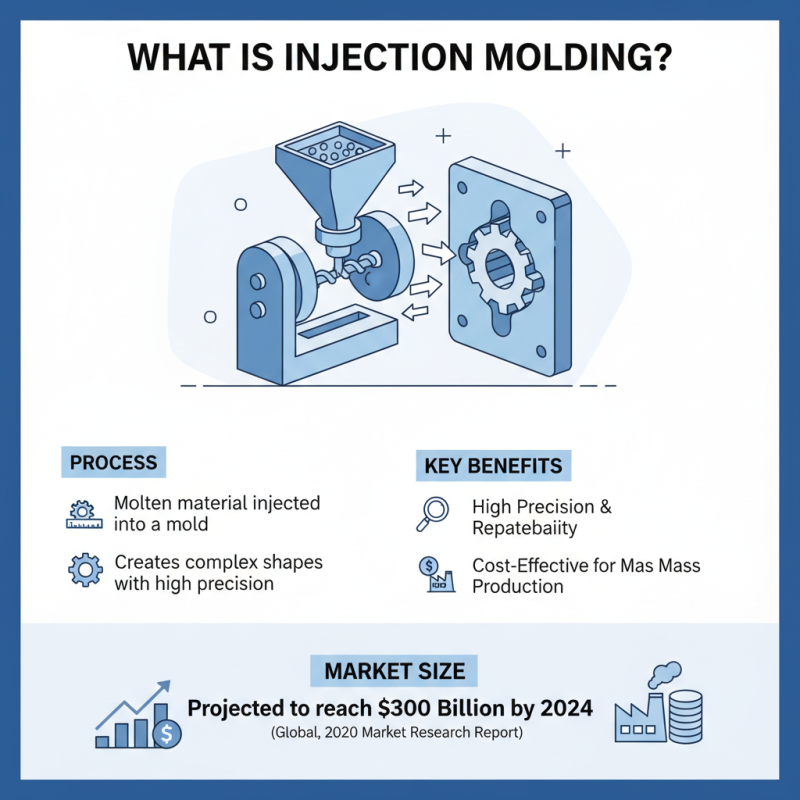
Injection molding is a widely used manufacturing process that produces parts by injecting molten material into a mold. This method is particularly useful for creating complex shapes with high precision. According to a 2020 market research report, the global injection molding market is projected to reach $300 billion by 2024, highlighting its importance in various industries.
The process begins with heating thermoplastic or thermosetting materials until they are fluid. Once melted, the material is injected into a mold cavity at high pressure. This allows for the creation of intricate designs that might be challenging to achieve with other manufacturing methods. It’s worth noting that while injection molding can be highly efficient, issues like parting lines, warping, and cycle time variability need to be managed carefully to ensure quality.
Ultimately, the benefits of injection molding extend to various sectors, including automotive, consumer goods, and medical devices. The ability to mass-produce identical parts significantly reduces labor costs. However, the initial setup costs for molds can be high. Manufacturers must weigh these factors to determine if injection molding aligns with their business objectives.
The Process of Injection Molding Explained
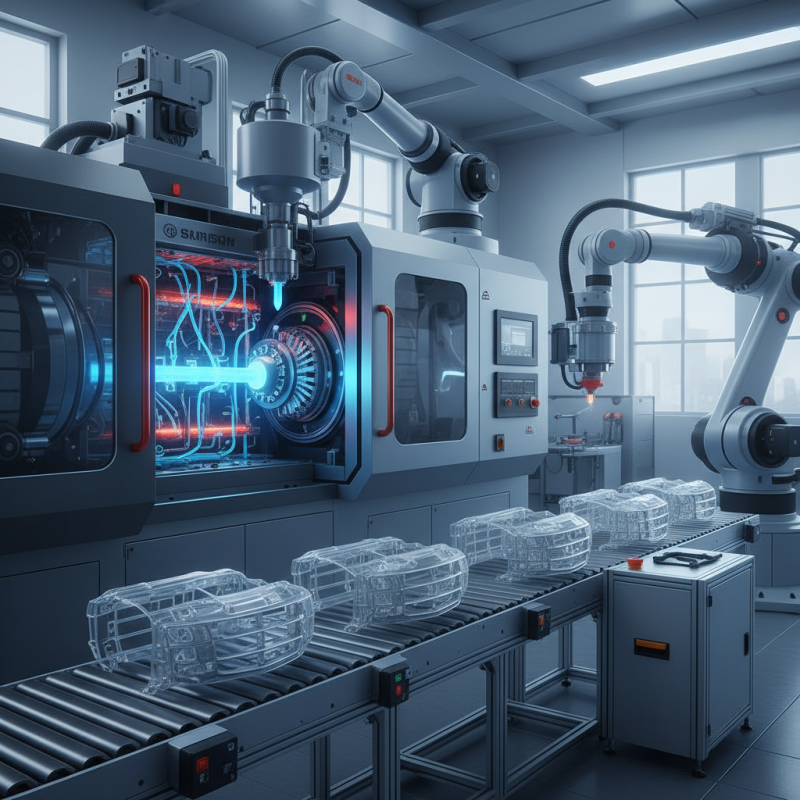
Injection molding is a manufacturing process that transforms raw plastic into finished products. It involves heating plastic until it becomes molten and then injecting it into a mold. This mold shapes the plastic into specific forms. After cooling, the mold is opened, and the solidified part is ejected. The importance of temperature control in this process cannot be understated. Too hot, and the plastic can degrade. Too cool, and it won’t flow properly.
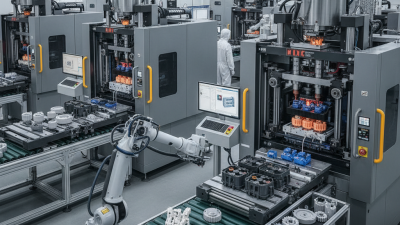
The injection molding process allows for high precision and repeatability. Manufacturers can produce complex parts in a single operation. This is beneficial for industries like automotive and consumer goods. However, the initial setup can be expensive. Designing molds requires skilled labor and significant investment. Some businesses might struggle with this aspect. Understanding these challenges is crucial for any company considering this method. Adaptability and continuous improvement in the molding process can eventually lead to increased efficiency and reduced costs.
Key Materials Used in Injection Molding
Injection molding is a highly efficient manufacturing process widely used across various industries. The choice of materials in this process plays a crucial role in determining the final product's quality and performance. Key materials for injection molding include thermoplastics, thermosetting plastics, and elastomers. According to a report by Freedonia Group, the global thermoplastic market is forecasted to reach $500 billion by 2025. This underscores the growing reliance on high-quality thermoplastics in production.
Thermoplastics are favored for their versatility and recyclability. They can be melted and reshaped multiple times without losing integrity, making them ideal for large-scale production. On the other hand, thermosetting plastics provide excellent heat resistance and structural stability. They are ideal for applications requiring durability, such as automotive parts and electrical components. Elastomers, known for their elasticity, are essential for making seals and gaskets.
**Tip:** Choosing the right material is critical. Assess the application requirements carefully before deciding. A mismatch can lead to reduced product lifespan or performance issues.
It’s also worth noting that imperfections can arise during the molding process. Variations in temperature and pressure can affect material flow and part quality. Understanding these nuances can help you optimize your manufacturing process. Regular quality checks are essential to identify and address any discrepancies promptly.
Advantages of Injection Molding for Your Business
Injection molding is a widely-used manufacturing process that offers significant advantages for businesses across various industries. It allows companies to produce parts in large volumes with consistent quality. According to a report by Grand View Research, the global injection molding market is expected to reach $381.39 billion by 2028, reflecting its growing importance in the manufacturing sector.
One of the main benefits is cost-effectiveness. The process reduces material waste and produces parts faster than traditional methods. For instance, it can achieve production cycles of 15-30 seconds for small parts. This efficiency not only cuts labor costs but also enhances profit margins. However, initial setup costs for molds can be high. Businesses must weigh these costs against long-term production needs.
Additionally, injection molding provides design flexibility. It can create complex shapes that are difficult or impossible to achieve with other manufacturing techniques. This versatility can lead to innovative product designs that meet specific market needs. Yet, relying heavily on this method may limit the ability to pivot quickly to new designs. Companies should be prepared for both its benefits and complexities within their production strategies.
Applications of Injection Molding Across Industries
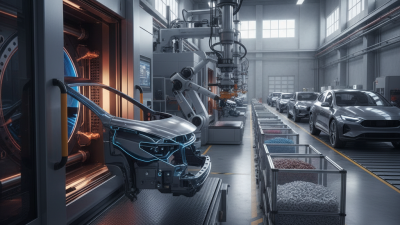
Injection molding is widely used across various industries due to its versatility and efficiency. In the automotive sector, it plays a crucial role. Manufacturers use it to create components like dashboard panels and bumper parts. These items must meet high standards for durability and precision. Injection molding allows for rapid production, reducing costs and time significantly.
In the consumer goods sector, this technique produces items ranging from kitchen utensils to toys. These products require intricate designs and reliable performance. The process ensures consistent quality in large batches. However, not all designs translate well into molded parts. Companies must often rethink designs to improve manufacturability.
The medical industry benefits from injection molding as well. It produces essential devices like syringes and dental tools. These items demand strict adherence to safety standards. Mistakes in design or production can lead to serious issues. Therefore, constant reflection on processes is vital. Even small changes can have substantial impacts on outcomes.
Applications of Injection Molding Across Industries