Why is Injection Molding Essential for the Automotive Industry?
Injection molding plays a critical role in the automotive industry. This manufacturing process creates complex parts efficiently and at a lower cost. With the increasing demand for lightweight and durable components, the importance of injection molding continues to grow.
The injection molding automotive industry benefits from high precision and repeatability. It enables the mass production of intricate designs, which traditional methods struggle to achieve. This technology reduces production time and waste, making it a favorite among manufacturers.
However, challenges still exist in this field. Material selection and processing parameters can significantly affect the quality of the parts produced. Manufacturers must continuously adapt and refine their techniques to stay competitive. Investing in advanced technologies and training is essential for success in this ever-evolving industry.
The Role of Injection Molding in Automotive Manufacturing
Injection molding plays a crucial role in automotive manufacturing. This method is essential for producing high-quality plastic components used in vehicles. According to a report by MarketsandMarkets, the global automotive injection molding market is projected to reach $5.56 billion by 2027. This growth highlights the increasing reliance on injection-molded parts for vehicle production.
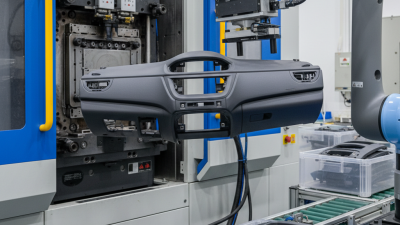
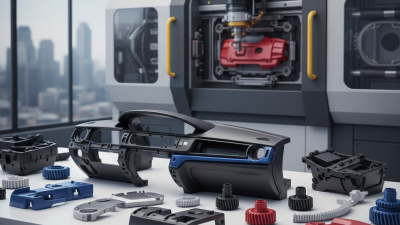
Injection molding offers several advantages for the automotive sector. It allows for high-volume production of lightweight and durable parts. This is vital as the industry moves towards more energy-efficient vehicles. For example, components like dashboards, bumpers, and interior trims can be produced efficiently. These parts meet stringent safety standards while maintaining aesthetic appeal. However, not all manufacturers maximize the potential of injection molding. Some may overlook the importance of material selection, leading to defects or increased costs.
The speed of production with injection molding is impressive. Parts can be produced in seconds, significantly reducing lead times. Despite this efficiency, manufacturers face challenges in maintaining quality and precision. According to a study by the American Society of Mechanical Engineers, about 10% of molded parts may need rework. This emphasizes the need for ongoing training and quality assurance in the process. Striking the right balance between speed and quality remains a key challenge in automotive injection molding.
Key Benefits of Injection Molding for Automotive Components
Injection molding has become a cornerstone of the automotive industry. This process offers several advantages that enhance production efficiency and component quality. According to a report by the Plastics Industry Association, the automotive sector accounts for over 25% of the total injection molding market. This significant share highlights the process's critical role in manufacturing automotive parts.
One key benefit of injection molding in automotive applications is its ability to produce complex geometries. Molds can create intricate designs that would be difficult or impossible with other methods. This helps reduce the overall weight of vehicles. For instance, lightweight parts can improve fuel efficiency, which is increasingly vital for meeting emissions standards. A study showed that every 10% reduction in vehicle weight can lead to a 5-7% increase in fuel efficiency.
Moreover, injection molding supports mass production with high precision. The repeatability of the process minimizes defects, leading to more reliable components. However, it's important to consider that the initial setup costs for molds can be high. Manufacturers must balance these costs with the long-term benefits of high-volume production. Despite some challenges, the advantages of injection molding remain significant, making it indispensable in automotive manufacturing.
Common Materials Used in Injection Molding for Cars
Injection molding plays a crucial role in the automotive sector. It allows manufacturers to produce complex parts with high precision and efficiency. Various materials are used in this process, each offering unique properties that enhance vehicle performance.
Common materials like polypropylene and polycarbonate are frequently used. Polypropylene is lightweight and resistant to chemicals, making it ideal for interior parts. Polycarbonate offers high impact resistance and clarity, often utilized for protective components. ABS is another popular choice due to its strength and versatility. These materials are not just functional; they also allow for aesthetic design.
However, the choice of material is not without challenges. Some materials may not perform well under extreme temperatures. Others can be difficult to recycle, raising environmental concerns. It's essential for manufacturers to balance design, performance, and sustainability when selecting their materials. Exploring these factors carefully can lead to significant improvements in the automotive industry.
Innovations in Injection Molding Technology for the Automotive Sector
Innovations in injection molding technology are transforming the automotive sector. Advanced materials and processes improve efficiency significantly. For instance, lightweight composites enhance fuel efficiency by reducing vehicle weight. This innovation is crucial as automakers strive for sustainability in their designs.
3D printing integration into injection molding is another game-changer. It allows for rapid prototyping, enabling manufacturers to test designs before full production. This reduces costs and accelerates time-to-market. Yet, the challenge lies in ensuring that these prototypes meet rigorous industry standards.
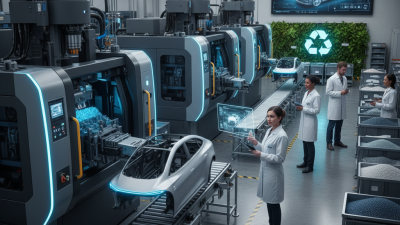
Moreover, automation in injection molding creates a more streamlined production process. Robots handle repetitive tasks, which boosts precision and productivity. However, this shift raises concerns about workforce displacement. Balancing technology with human expertise remains an ongoing discussion in the industry.
Why is Injection Molding Essential for the Automotive Industry? - Innovations in Injection Molding Technology for the Automotive Sector
| Dimension |
Details |
| Material Types |
Polypropylene, Polycarbonate, ABS, Nylon, Thermoplastic Elastomers |
| Common Applications |
Interior trims, dashboards, bumpers, housings, and connectors |
| Advantages |
High precision, cost-effective for mass production, lightweight, design flexibility |
| Technological Innovations |
3D printing integration, advanced simulation software, improved mold design, and materials |
| Sustainability Initiatives |
Use of recycled materials, energy-efficient machinery, waste reduction practices |
| Challenges |
High initial setup cost, design limitations for complex parts, long lead times for molds |
Environmental Impact of Injection Molding in the Automotive Industry
Injection molding plays a significant role in the automotive industry, especially concerning environmental impacts. This process enables the efficient production of various car components. However, it also raises concerns about sustainability. The materials used in injection molding often include plastics, which can contribute to pollution and waste.
While some manufacturers are adopting more eco-friendly methods, many still rely on traditional plastics. The lifecycle of these materials can lead to substantial waste if not properly managed. Recycling programs exist, yet they are not universally applied. Many parts end up in landfills. The industry must reflect on its practices and seek greener alternatives.
In recent years, innovations have emerged. Biodegradable materials and sustainable practices show promise. These changes could decrease the environmental footprint of injection molding. Yet, challenges remain. The cost of such materials can be higher, prompting a gap between eco-consciousness and economic practicality. Balancing these aspects is crucial for the future of automotive production.
Environmental Impact of Injection Molding in the Automotive Industry