What is Injection Molding? Understanding the Key Players and Process
Injection molding is a widely utilized manufacturing process that transforms raw plastic materials into a vast array of products, from intricate components to everyday household items. This process is characterized by its efficiency and precision, making it a favorite choice among various industries. Key players in this field, known as injection molding companies, play an essential role in the development and production of high-quality plastic products. Their expertise and innovative technologies drive the advancement of this method, ensuring that it meets the growing demands of modern consumers.
To understand injection molding, it is crucial to explore the fundamental aspects of the process, including material selection, mold design, and the machinery involved. The collaboration among injection molding companies not only enhances the production capabilities but also stimulates innovation in material sciences and machine engineering. As the market for plastic products continues to expand, these companies are at the forefront of meeting the diverse needs of various sectors, ultimately contributing to advancements in manufacturing efficiency. Through this exploration, we aim to provide a comprehensive overview of injection molding, the key players in the industry, and the essential elements that make this process a cornerstone of modern manufacturing.

Definition and Overview of Injection Molding
Injection molding is a widely used manufacturing process for producing parts by injecting molten material into a mold. This method is predominantly employed for creating plastic components, and it involves several key elements—the injection molding machine, the mold, and the material itself. The process begins when plastic pellets are heated until they melt, after which this molten plastic is injected into a precisely shaped mold under high pressure. Once the material cools and solidifies, the mold is opened, and the finished part is ejected.
The versatility of injection molding makes it an essential technique in various industries, including automotive, consumer goods, and electronics. It allows for the rapid production of complex shapes with high precision and repeatability. Additionally, injection molding can accommodate a range of materials beyond plastics, such as certain metals or elastomers, expanding its applicability. The efficiency of the process, alongside the ability to produce large volumes of parts with minimal waste, contributes to its popularity among manufacturers aiming for cost-effective production solutions.
Key Components and Equipment in the Injection Molding Process
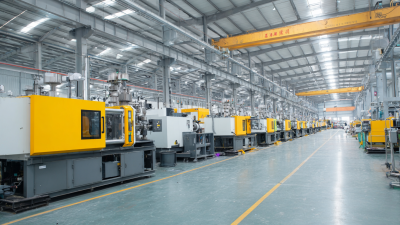
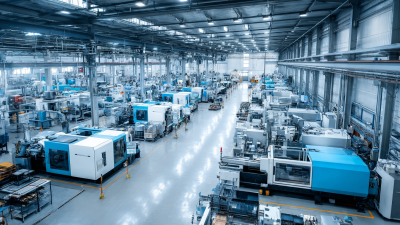
Injection molding is a crucial manufacturing process that involves several key components and specialized equipment. At the heart of this method lies the injection molding machine, which consists of a hopper, an injector, a mold, and a clamping unit. The hopper is where plastic pellets are fed into the machine, which can accommodate different types of thermoplastics or thermosetting materials. Once the feed is loaded, the injector converts the solid pellets into a molten state by applying heat and pressure.
The molten plastic is then injected into a precisely designed mold, where it cools and solidifies to form the final product. The mold is an essential part of the process, as it determines the shape and dimensions of the molded item. Various types of molds can be used, including single-cavity and multi-cavity designs, depending on the quantity and complexity of the product required. The clamping unit plays a critical role by securely holding the mold halves together during the injection phase and separating them once the item is formed. This intricate interplay between the components and equipment ensures that injection molding remains a versatile and efficient process for producing a wide range of plastic products.
The Role of Additives and Materials Used in Injection Molding
Injection molding is a widely used manufacturing process that relies heavily on specific additives and materials to achieve desired product characteristics. The choice of material is crucial, as it affects everything from the finished product's strength and durability to its aesthetic qualities. Common materials used in injection molding include thermoplastics like polycarbonate and polyamide, which are favored for their versatility. In 2021, the global injection molding market was valued at approximately $260 billion, and this is expected to grow as manufacturers continue to innovate with new materials and methods.
Additives play a significant role in the injection molding process, enhancing the properties of base materials to meet specific engineering requirements. For instance, fillers such as talc or glass fibers are often incorporated to increase tensile strength and thermal stability, enabling the production of lightweight yet durable parts. According to a report by Grand View Research, the global market for plastic additives was valued at over $45 billion in 2020, with a projected compound annual growth rate (CAGR) of 5.5% through 2028. This growth is driven by the increasing demand for high-performance materials in various sectors, including automotive and electronics, where the properties of injection-molded components must align closely with rigorous industry standards.
Main Players in the Injection Molding Industry
The injection molding industry is populated by various key players who contribute significantly to its success, including manufacturers, suppliers, and service providers. At the heart of this industry are the injection molding machine manufacturers, who design and build the machinery essential for the production process. These machines are critical, as they determine the efficiency and quality of the molded products. Additionally, the suppliers of raw materials, such as thermoplastics and thermosets, play a vital role by providing the necessary materials that are transformed into end products through the injection molding process.
Alongside these manufacturers and suppliers are service providers that offer vital support services, including mold design and maintenance, process optimization, and quality control. These service providers ensure that the entire operation runs smoothly, enhancing production efficiency and maintaining high standards of product quality. Together, these key players form a collaborative network that drives innovation within the injection molding sector, adapting to changing market demands and technological advancements. Their combined efforts are essential for meeting the diverse needs of industries ranging from automotive to consumer goods.
Steps Involved in the Injection Molding Process
Injection molding is a widely used manufacturing process for producing parts by injecting material into a mold. This process involves several key steps that ensure precision and efficiency in creating complex shapes.
The first step in the injection molding process is material preparation, where plastic granules are fed into a hopper and transported to the heated barrel of the injection molding machine. Here, the granules are melted to form a viscous liquid. Next, the molten material is injected into a mold cavity under high pressure. This is a crucial phase, as the pressure and speed of injection can affect the final product's quality and integrity.
Once the material fills the mold, it is allowed to cool and solidify, taking the shape of the mold. After sufficient cooling, the mold opens, and the finished part is ejected. Trimming or post-processing may occur to remove excess material or imperfections. This systematic approach to the injection molding process enables manufacturers to create high volumes of consistent, precise parts tailored to various applications.