Why Motorcycle Plastic Injection Molding is Essential for the Industry?
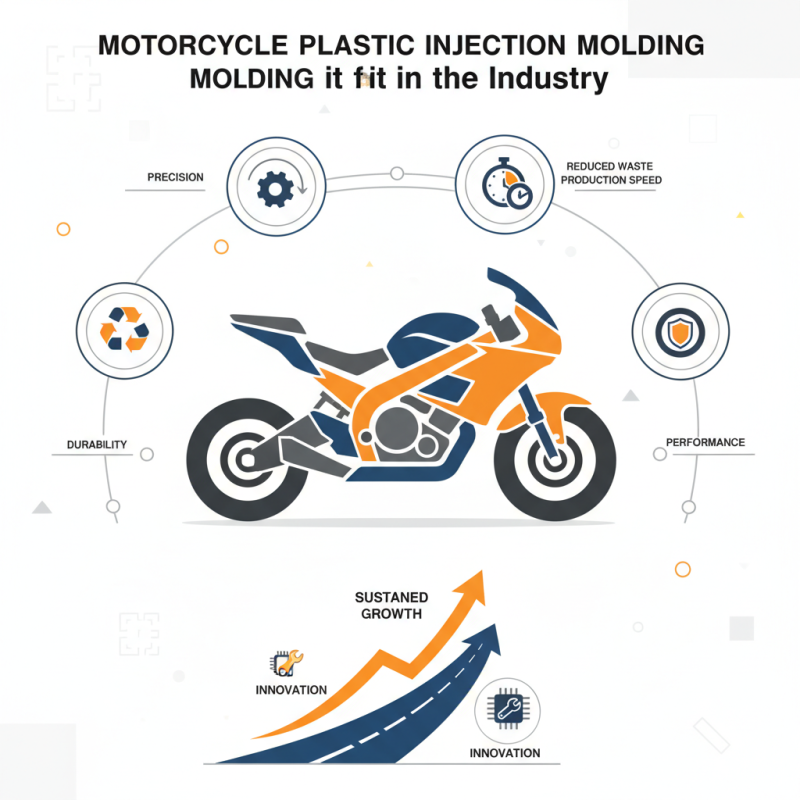
Motorcycle Plastic Injection Molding is a cornerstone of the motorcycle manufacturing industry. This innovative technique allows for precise production of various components. The durability and performance of motorcycle plastics significantly impact the overall quality of motorbikes.
Utilizing Motorcycle Plastic Injection Molding ensures consistency and efficiency. It reduces waste and enhances production speed. However, not all manufacturers adopt this technology effectively. Many struggle with achieving the desired quality, which can lead to flaws.
In a competitive market, the importance of this molding technique cannot be overstated. High-quality plastic parts contribute to better performance and longevity of motorcycles. As the industry evolves, embracing advancements in Motorcycle Plastic Injection Molding will be crucial for sustained growth and innovation.
Importance of Plastic Injection Molding in Motorcycle Production
Plastic injection molding plays a vital role in
motorcycle production. This manufacturing process offers precise and efficient methods for creating components.
From fairings to foot pegs, plastic parts are essential. They reduce weight and improve fuel efficiency.
This contributes to better overall performance.
The consistency of injection molding ensures that each part meets quality standards. However, challenges do arise.
Variations in temperature and pressure can lead to defects in the molded parts. A single flaw may affect a
motorcycle's safety and performance. Thus, manufacturers must remain vigilant
throughout the production process.
Design flexibility is another advantage of plastic injection molding.
Engineers can create complex shapes that enhance the motorcycle's aesthetics. Yet, achieving this requires careful planning.
It's crucial to balance design with functionality. Reflecting on the limitations of materials is essential.
Sometimes, plastic might not withstand extreme conditions. This limitation prompts ongoing
research into better materials.
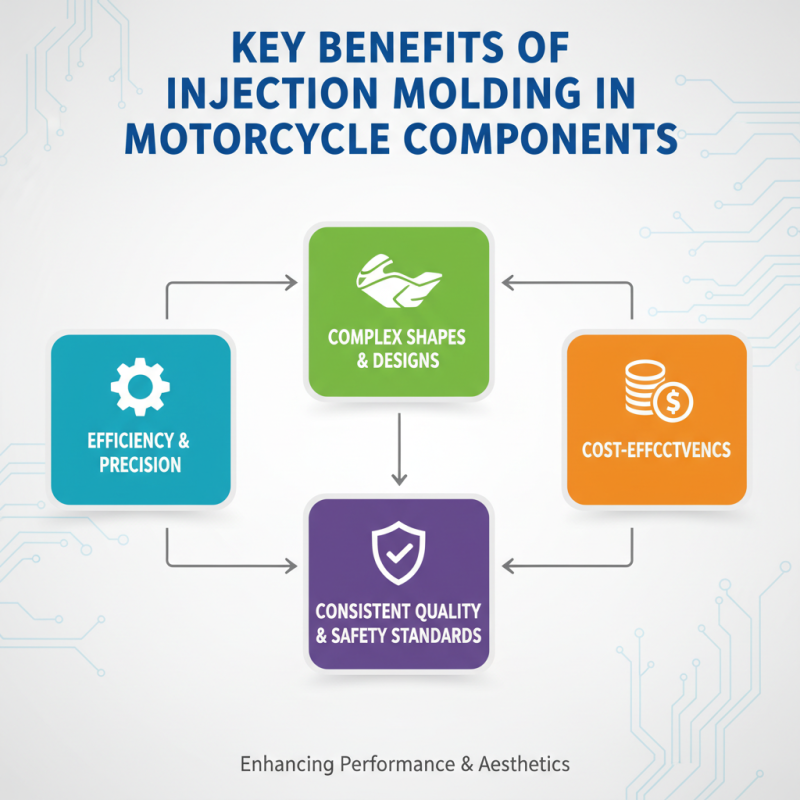
Key Benefits of Using Injection Molding in Motorcycle Components
Motorcycle plastic injection molding plays a vital role in the industry. It is a preferred method for manufacturing motorcycle components due to its efficiency, precision, and cost-effectiveness. The ability to create complex shapes allows for innovative designs that enhance performance and aesthetics. Additionally, injection molding offers consistency in quality, ensuring each component meets rigorous safety standards.
Consider these tips when choosing plastic injection molding for motorcycle parts. Evaluate the type of plastic used, as it significantly impacts durability and weight. Thermoplastics are popular for their flexibility and recyclability. Pay attention to the molding process. Proper cooling times and temperatures can affect the final product.
While injection molding is advantageous, it is not without challenges. Setting up molds can be expensive and time-consuming. Variability in raw materials can lead to inconsistencies. Manufacturers must focus on quality control to mitigate these risks. Regular inspections can help identify problems early, ensuring smoother operations. Using plastic injection molding in motorcycle components is clearly essential for enhancing performance and customer satisfaction.
Market Trends: Growth of Motorcycle Plastic Parts Manufacturing
The motorcycle plastic parts manufacturing market is experiencing significant growth. Reports indicate that this sector is projected to expand at a compound annual growth rate (CAGR) of over 8% from 2023 to 2030. This increase is driven by the rising demand for lightweight and durable components. These elements contribute to improved fuel efficiency and overall performance.
Quality plastic injection molding processes are essential. They ensure that motorcycle parts meet stringent safety standards. Data shows that 60% of motorcycle manufacturers prioritize the use of advanced materials. This shift is a direct response to consumer preferences for more sustainable options. Engineers are now leaning towards thermoplastics for their recyclability and performance.
However, challenges persist. Some manufacturers struggle with consistency in production quality. This inconsistency can lead to increased waste and higher costs. Additionally, the evolving regulations around materials create pressure on manufacturers to innovate continuously. Addressing these issues requires a commitment to research and development.
Market Trends in Motorcycle Plastic Parts Manufacturing
Technical Precision: Advancements in Injection Molding Technology
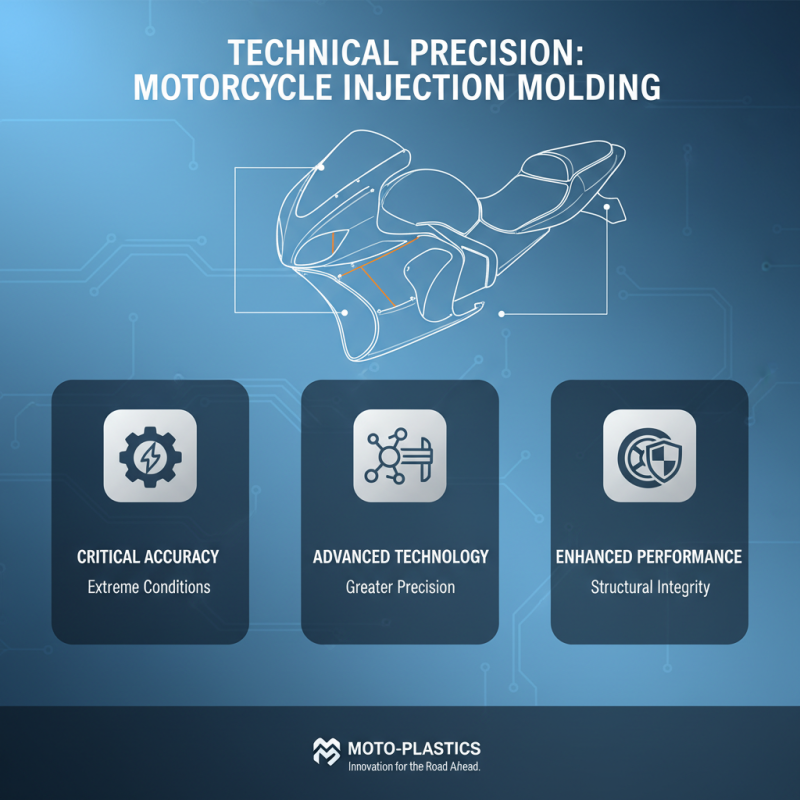
Technical precision is critical in motorcycle plastic injection molding. The industry demands components that withstand extreme conditions. With advancements in injection molding technology, manufacturers can achieve greater accuracy. This accuracy leads to better structural integrity and performance of motorcycle parts.
New techniques allow for complex designs that were once impractical. 3D printing aids in the creation of molds with intricate features. This innovation enhances product quality and reduces waste. With improved materials, parts are lighter yet stronger. However, this shift can create challenges, such as adjusting production lines and training staff.
As technology evolves, there are concerns about reliability. Testing new materials and methods can yield unexpected results. The industry must remain vigilant to ensure consistency. Balancing innovation with quality control is essential. Challenges will arise as the industry pushes forward, but the potential for improvement is significant.
Sustainability in Motorcycle Manufacturing: Role of Plastic Injection Molding
Plastic injection molding plays a crucial role in the sustainability of motorcycle manufacturing. This technique allows for the efficient production of motorcycle parts with minimal waste. By using precise molds, manufacturers can create parts that meet strict design specifications. This precision reduces material waste significantly, contributing to a more sustainable manufacturing process.
Many plastics used in injection molding can be recycled. This opens up a pathway for circular economy practices within the motorcycle industry. However, not all plastics are created equal. Some are more difficult to recycle. This poses a challenge for manufacturers seeking to embrace sustainability fully. The industry must continue exploring alternatives that enhance recyclability and reduce environmental impact.
Additionally, the energy consumed during the injection molding process varies. Some methods may produce higher emissions compared to others. Striking a balance between efficiency and sustainability is essential. Continuous improvement in technology and practices will help the industry evolve. It is an ongoing journey, filled with both accomplishments and areas needing attention.