2025 How to Select Injection Molding Golf Cart Parts for Optimal Performance
In the evolving landscape of golf cart manufacturing, the selection of high-quality components is crucial for achieving outstanding performance. One of the key elements in this process is the choice of Injection Molding Golf Cart Parts. As advancements in technology and materials continue to revolutionize production methods, understanding how to select these parts effectively becomes essential for manufacturers and consumers alike. By focusing on specific criteria such as durability, weight, and compatibility, stakeholders can ensure that they are making informed decisions that enhance overall functionality.
Optimal performance in golf carts not only contributes to a superior driving experience but also ensures longevity and reliability of the vehicle. Injection Molding Golf Cart Parts offer numerous advantages including precision, consistent quality, and the potential for complex geometries that can improve aerodynamics and design aesthetics. With a myriad of options available, it’s imperative to navigate the selection process thoughtfully to avoid common pitfalls and maximize the benefits of these components. This article will delve into critical factors, best practices, and expert recommendations that will guide readers in selecting the right parts to elevate their golf cart's performance to new heights.

Key Considerations for Selecting Injection Molding Materials in Golf Cart Parts
When selecting injection molding materials for golf cart parts, several key considerations must be taken into account to ensure optimal performance. One primary factor is the mechanical properties of the materials used. According to industry reports, materials such as high-density polyethylene (HDPE) and polycarbonate are often favored due to their superior strength-to-weight ratio and impact resistance, which are crucial in enhancing the longevity and reliability of golf carts.
In addition to mechanical properties, the manufacturing method plays a pivotal role in material selection. Rapid tooling technologies have evolved, significantly reducing costs and lead times associated with mold production. A study indicates that utilizing additive manufacturing for creating plastic injection tool inserts can streamline the production process, allowing for more intricate designs and faster adjustments to meet market demands. This adaptability not only lowers initial investment costs but also provides the flexibility needed in the competitive sports equipment market. Therefore, choosing the right material in conjunction with advanced manufacturing techniques can lead to substantial performance improvements in golf cart parts.
Understanding the Impact of Design on Golf Cart Performance and Durability
When selecting injection molding golf cart parts, understanding how design affects performance and durability is crucial. According to the U.S. Consumer Product Safety Commission, golf carts are frequently subjected to significant stress due to varied terrain and weight loads, which makes the quality of components essential. Well-designed parts that are precisely tailored for their specific functions can enhance not just performance, but also the lifespan of the cart. Research has shown that engineered plastics, when used in manufacturing, can provide up to 30% more durability compared to traditional materials like steel or aluminum, especially in outdoor environments where exposure to elements can lead to faster degradation.
Moreover, a report from the Society of Automotive Engineers highlights the importance of part design in reducing weight, which in turn improves energy efficiency. Optimizing the design of injection molded components can lead to a weight reduction of approximately 15%, significantly impacting the overall performance of the golf cart. This weight reduction can enhance acceleration, handling, and battery life, showcasing the vital role that meticulous design plays in achieving optimal performance in golf carts. The implications of these design choices extend beyond immediate performance, affecting long-term durability and user satisfaction.
Guide to Evaluation Criteria for Injection Molded Golf Cart Components
When selecting injection molded golf cart parts, it’s essential to evaluate key criteria to ensure optimal performance. First, consider the material used in the components. High-quality thermoplastics, such as ABS or polycarbonate, offer excellent strength and durability, which are crucial for withstanding the rigors of outdoor use. Additionally, the material’s resistance to UV radiation and weather conditions will prevent premature wear and fading, contributing to the longevity of the parts.
Tips for selection include checking for certifications and compliance with industry standards, which can indicate the reliability of the manufacturer. A thorough examination of the part’s design is also vital; it should be engineered to fit seamlessly within the golf cart while allowing for easy maintenance and replacement.
Another important aspect is the manufacturer’s reputation. Researching reviews and case studies can provide insights into the performance of the parts in real-world situations. Working with reputable suppliers can lead not only to superior components but also to better customer support and warranty options. By focusing on these evaluation criteria, you’ll ensure that your golf cart operates at peak performance.
Identifying Reliable Suppliers for High-Quality Golf Cart Parts
When selecting injection molding golf cart parts for optimal performance, identifying reliable suppliers is crucial. In 2026, the industry is predicted to experience significant growth with a projected increase in demand for high-quality components. Sourcing from well-established suppliers ensures that you receive parts that not only fit your specifications but also meet safety and durability standards.
**Tips:** Look for suppliers who have been in the market for several years and have a strong reputation among golf cart manufacturers. Reviews from other customers can provide insights into their reliability. Moreover, consider suppliers who offer robust after-sales support and warranty options, which can be indicative of product quality.
Additionally, leveraging industry reports can highlight which suppliers are consistently recognized for their performance. In recent evaluations, it has been noted that some suppliers rank higher due to their commitment to quality control and innovation in production techniques. Partnering with such providers can enhance the overall functionality and life span of your golf cart parts, ultimately leading to a better user experience on the course.
2025 Injection Molding Golf Cart Parts Performance Analysis
Exploring Advanced Technologies in Injection Molding for Enhanced Golf Cart Functionality
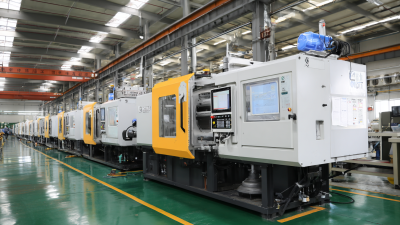
Injection molding technology has significantly advanced, providing new opportunities for enhancing the functionality of golf carts. Utilizing materials such as high-strength polymers and composites, manufacturers can produce lightweight yet durable parts that improve overall performance. The integration of advanced injection molding techniques, like multi-material molding, allows for the creation of complex components that can handle the rigors of outdoor use without compromising on aesthetics or functionality.
Tips: When selecting injection-molded parts for your golf cart, consider the specific demands of your usage. Focus on parts that undergo rigorous stress, such as the chassis and support structures, and opt for high-impact resistance materials. Additionally, pay attention to the manufacturing process, as precision in molding can lead to better fitting parts that reduce wear and tear over time.
Advancements in automation and computer-aided design are also enhancing the customization of golf cart parts. This allows for tailored solutions that meet unique performance requirements, ensuring that each part is not only functional but also efficient. Embracing these technologies can significantly optimize your golf cart’s performance, making it more reliable during use on the course.
Tips: Always seek out manufacturers that utilize the latest injection molding technologies. This can ensure you receive parts with improved longevity and functionality. Additionally, investigate any warranties or guarantees offered, as these can provide peace of mind regarding your investment in high-quality components.