2026 Top Golf Cart Parts Molding Services for Buyers?
Selecting Golf Cart Parts Molding Services in 2026 means looking beyond a low tooling quote. Buyers need parts that fit specific cart models, hold up outdoors, and arrive with consistent quality. A dashboard panel may look simple, yet a few millimeters of mismatch can affect mounting points or leave uneven gaps. Fenders, cup holders, battery covers, and trim pieces bring their own design challenges.
Fit comes first. A capable supplier should review drawings, material requirements, expected volumes, and intended use before recommending a molding process. Ask how prototypes are checked against the original dimensions. Request clear information about material grades, color matching, UV exposure, and resistance to everyday vibration. Small details matter. So does documentation: inspection records, sample approvals, and a practical plan for handling defects can make production easier to manage.
This guide compares what buyers should examine when assessing molding partners, from engineering support and tooling maintenance to lead times and communication. Check whether quotations separate mold costs from unit prices, and confirm who maintains the tooling. A polished sample is useful, but it cannot prove that every production batch will match. No supplier is perfect, and tight budgets sometimes require trade-offs. Buyers should identify those compromises early, test parts in real assembly conditions, and verify claims with samples or references where possible. Careful questions can help teams choose a partner that balances fit, durability, cost, and dependable delivery.
Understanding Golf Cart Parts Molding Services in 2026
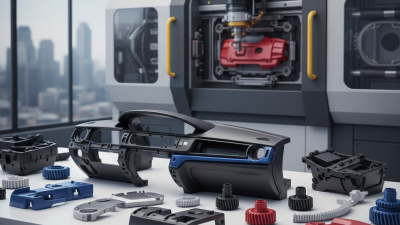
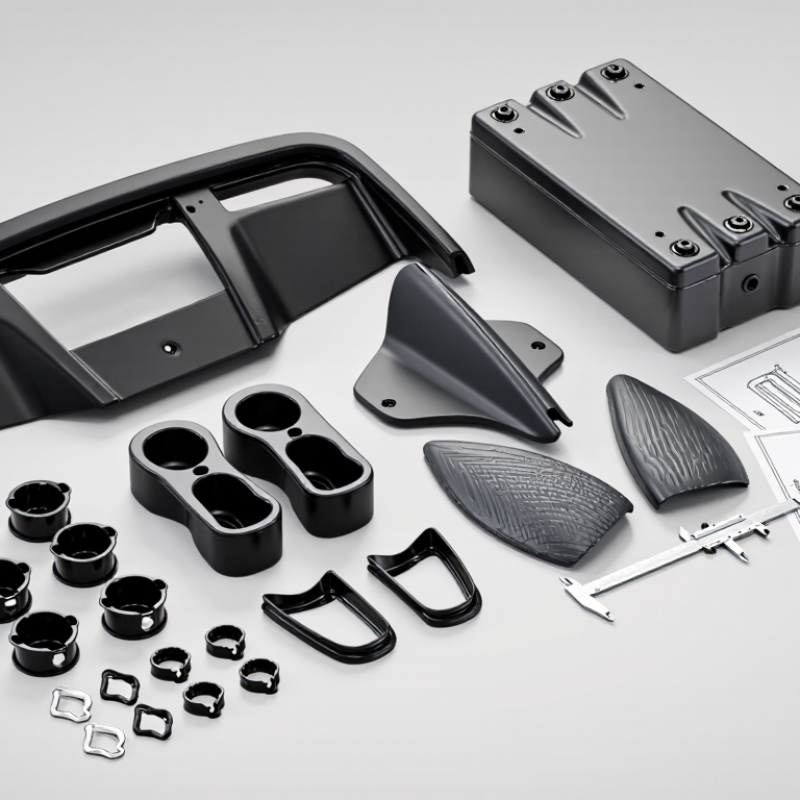
In 2026, golf cart parts molding services help buyers produce durable components with consistent fit and finish. They may cover design review, prototype molding, material selection, tooling, and production checks. Common parts include dashboards, cup holders, trim panels, and protective covers. Small details matter. A mounting tab that sits slightly off can cause rattling or difficult assembly.
A capable provider should explain how part geometry affects tooling and cost. Ask how samples are checked for dimensions, surface defects, and fit against mating parts. Outdoor carts face sun, rain, dust, and vibration, so material choice deserves attention. Request details on UV resistance and impact performance, not just a low unit price. Molded samples help reveal issues that drawings miss.
Buyers can compare quotes by checking what each one includes: mold design, revisions, inspection, and expected production timing. Clarify who owns the tooling and how future repairs are handled. A rushed quote can hide important assumptions. Still, no sample fully predicts years of field use. That uncertainty should be discussed, rather than brushed aside. A short pilot run may expose fit or finish problems before larger orders begin.
Common Molding Methods for Golf Cart Components
Common Molding Methods for Golf Cart Components
Golf cart parts use different molding methods because a dashboard, fender, and roof have different jobs. Injection molding is common for smaller, detailed parts such as cup holders, switch panels, and dashboard sections. Molten plastic fills a shaped steel mold, producing repeatable features and consistent edges. It works well for higher-volume production, though tooling can be costly when designs change. Fit matters.
Compression molding is often used for larger, sturdier panels made from reinforced materials. Heat and pressure shape the material inside a mold, which can produce durable fenders or body sections. Rotational molding can make hollow, larger components, such as storage containers, with relatively even wall thickness. Each method has trade-offs. Not always obvious. Buyers should ask about material, wall thickness, UV exposure, and mounting points, then inspect a sample for sharp edges, weak corners, and misaligned holes. A clean exterior can hide a poor fit, so testing the part on the cart is worthwhile. The best method depends on part size, expected quantity, and how the component will be used.
How Golf Cart Parts Move from Design to Production
Golf cart parts move from sketches to production through a chain of decisions. Engineers define load, fit, weather exposure, and surface finish before shaping a part in CAD. A fender may need flexible edges, while a dashboard needs stable mounting points and clean openings. Small details matter. Draft angles, wall thickness, and rib placement affect mold release and part strength.
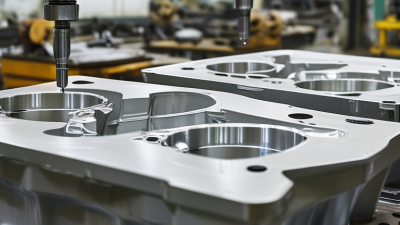
Mold-flow analysis can flag trapped air, uneven filling, or likely warping before tool steel is cut. The team then builds a mold, runs trial shots, and checks actual parts against drawings. They inspect hole positions, panel gaps, and surface marks. Then comes testing. Parts may face UV exposure, impact checks, vibration, and repeated installation. A small fit error can become obvious when a technician reaches for a fastener.
Material choice also shapes production waste. The OECD’s 2022 Global Plastics Outlook reports that global plastics production reached 460 million tonnes in 2019, while plastic waste reached 353 million tonnes. Those figures cover all plastics, not golf cart parts, but they underline why scrap control deserves attention. Regrind can affect appearance or performance, so its use needs validation. A CAD file is not a finished part; sometimes the first molded sample reveals a design assumption that looked sensible on screen.
Key Factors for Evaluating Molding Service Providers
2026 Top Golf Cart Parts Molding Services for Buyers?
Key Factors for Evaluating Molding Service Providers
A capable molding provider should understand how golf cart parts face vibration, sun exposure, moisture, and repeated handling. Ask how the proposed resin suits the part’s location and expected use. A dashboard cover and an under-seat bracket may need different strength, flexibility, and surface finishes. Fit matters. Request a design-for-manufacturing review before tooling begins. It should flag thin walls, difficult corners, likely warpage, and locations where ejector marks could affect appearance or assembly. These checks can prevent costly revisions, though no simulation removes every production risk.
Review sample parts against clear dimensions and fit requirements, not just a polished photo. Ask for inspection records, material identification, and notes on how defects are handled. For larger programs, discuss mold maintenance, replacement inserts, change control, and realistic production capacity. A low quote can hide assumptions about finishing, packaging, or tool upkeep, so compare like-for-like details. Ask for evidence. Also clarify who approves design changes and who retains tooling records. One point buyers sometimes overlook: a perfect first sample does not guarantee stable output across shifts. A practical trial run can reveal variation in color, dimensions, or surface texture before regular orders begin. The process may still need adjustment. That is worth planning for.
How Buyers Can Compare Quotes, Quality, and Lead Times
Buyers comparing golf cart parts molding quotes should request the same drawing, annual volume, resin grade, color, and inspection plan from every supplier. A low unit price can hide separate tooling, setup, or packaging charges. Ask whether the quote includes mold maintenance and sample revisions. Check the quoted tolerance against real fit points, such as a dashboard clip or battery-cover edge. Small details matter.
Grand View Research estimated the global injection molding market at USD 284.5 billion in 2023, with projected growth of 4.9% annually from 2024 to 2030. That figure describes the wider market, not golf cart parts specifically. Use it as context, not as proof that one supplier offers better value. Compare quality evidence instead: material certificates, first-article measurements, defect records, and a clear process for rejected parts. Ask to see a sample from the proposed resin and mold—not a visually similar substitute.
Lead times need the same scrutiny. Request separate dates for design approval, tooling, first samples, corrections, and production shipment. Deloitte’s 2024 Manufacturing Industry Outlook discusses ongoing supply-chain and workforce pressures; a supplier’s capacity plan matters as much as its headline schedule. Ask what happens if a tool needs adjustment or resin arrives late. Not always predictable. A detailed schedule still exposes assumptions, though buyers sometimes overlook this and accept optimistic dates without checking them.