How to Optimize Injection Molding for Automotive Parts Production?
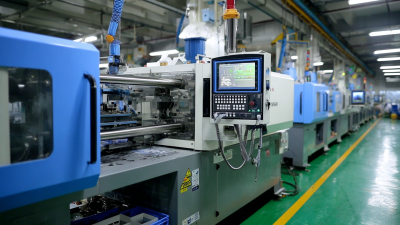
In recent years, the automotive industry has increasingly turned to injection molding for the production of parts. This process offers several advantages, such as precision and efficiency. However, optimizing injection molding automotive processes is crucial for improving quality and reducing costs.
Understanding the intricacies of this manufacturing method is essential. Attention to detail can significantly enhance production outcomes. For instance, material selection plays a vital role in the strength and durability of automotive components. Additionally, factors such as mold design and cooling processes must be carefully considered.
Despite the benefits, challenges remain in achieving optimal results. Common issues include warping and inconsistent surface finishes. These complications require ongoing evaluation and adjustments. By embracing a continuous improvement mindset, manufacturers can refine their injection molding automotive techniques and boost overall performance.
Understanding Injection Molding Process for Automotive Parts
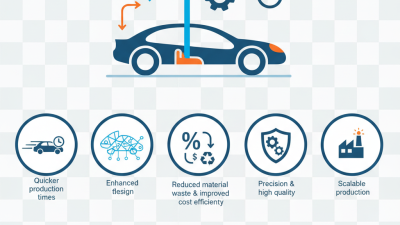
Understanding the injection molding process for automotive parts is crucial for manufacturers. This method offers precision and efficiency in producing complex geometries, which are often required in automotive applications. According to a recent industry report, automotive parts produced by injection molding can reduce production costs by up to 30%. This cost efficiency is vital in a competitive market where margins are thin.
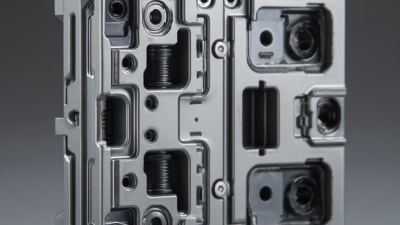
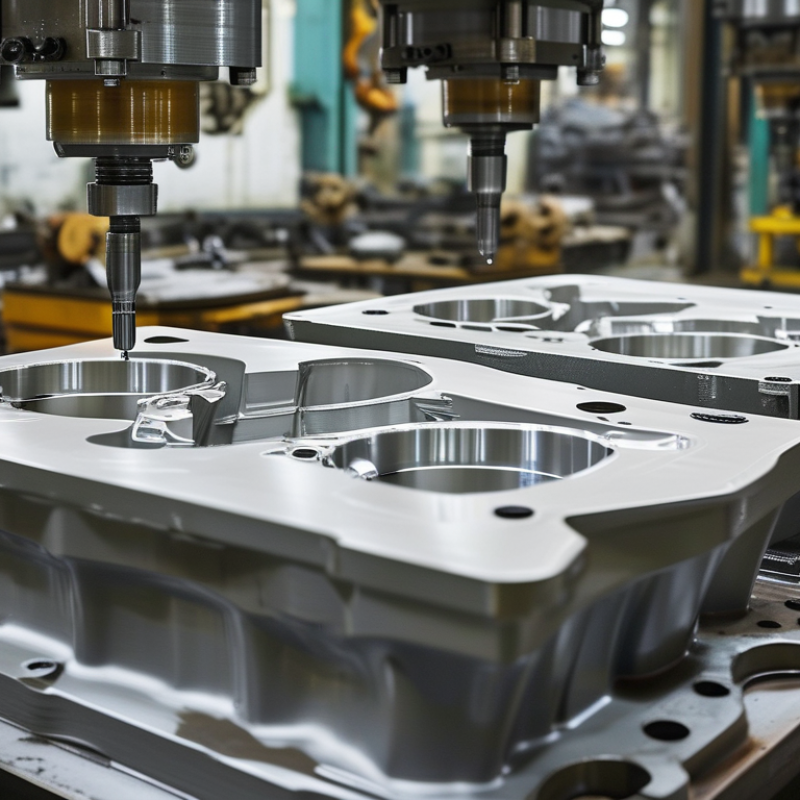
Designing molds carefully can enhance the injection molding process. Consider the cooling system design, as it accounts for a significant portion of cycle time. Uneven cooling can lead to defects or longer production times, which can be costly. Implementing conformal cooling channels can improve temperature control, leading to enhanced part quality. Engage tool experts early to optimize mold design and prevent future complications.
During the injection molding cycle, monitor parameters like temperature and pressure closely. Any variance can affect the final part quality. Using data analytics can provide insights into the process efficiency and areas for improvement. Regularly review these parameters to enhance reliability. Focusing on these factors ensures better consistency in part production and minimizes rework.
Key Factors Influencing Injection Molding Efficiency
Injection molding plays a crucial role in automotive parts production. Several factors greatly influence its efficiency. One of the key elements is material selection. Choosing the right type of plastic can enhance flow characteristics and reduce cycle times. Not all plastics behave the same under heat and pressure. A thorough understanding of these materials can lead to better outcomes.
Temperature control is another significant factor. Maintaining optimal melt and mold temperatures affects part quality. If the temperature is too high, materials can degrade. Conversely, low temperatures may cause incomplete filling. It’s essential to monitor these conditions regularly. This requires efficient temperature sensors and monitoring systems.
Mold design also affects production efficiency. Complex geometries can lead to challenges like trapped air and uneven cooling. Simplifying designs can help mitigate these issues. However, reducing complexity may sometimes compromise functionality. Continuous evaluation of mold designs ensures improved output without losing critical features. Balancing these factors requires ongoing reflection and adjustment to achieve optimal results in automotive injection molding.
Material Selection for Optimal Performance in Automotive Applications
Selecting the right materials for automotive components is vital for performance and durability. A recent study highlights that nearly 50% of automotive failures link back to material issues. Polypropylene, for instance, is favored for its lightweight and resistance to chemical exposure. This makes it ideal for interiors and under-the-hood applications. Likewise, engineering plastics like nylon are increasingly popular due to their excellent strength-to-weight ratios.
However, the choice isn't straightforward. Different applications demand different properties. For instance, while many manufacturers prefer reinforced composites for structural parts, these can be challenging to mold and may require specialized techniques. Additionally, the cost of these advanced materials can significantly impact overall production budgets. Balancing performance and cost is a recurring challenge in material selection.
Data from industry reports indicate that up to 25% of automotive manufacturers report issues related to the compatibility of materials during the injection molding process. This friction often leads to inefficiencies. Reflecting on these issues is critical. An optimized approach can enhance material workflow. Continuous evaluation and adjustment of material choices can push the boundaries of what’s achievable in automotive design and manufacturing.
Material Selection for Optimal Performance in Automotive Applications
Techniques for Reducing Cycle Time in Injection Molding
Optimizing injection molding for automotive parts is crucial in achieving efficiency. One significant technique to reduce cycle time is through temperature management. Maintaining an optimal melt temperature can enable faster filling and cooling times. This not only reduces the mold cycle but also enhances the final product's integrity. However, finding the right balance can be challenging. Too high a temperature may lead to degradation, while too low may cause incomplete filling.
Another effective method is adjusting the mold design. Streamlined geometries can minimize resistance and allow for quicker material flow. Incorporating features like venting can further decrease cycle time by releasing trapped air. Nevertheless, the design must also accommodate the material properties to prevent defects, which requires careful testing and analysis. Continuous monitoring during the molding process can identify inefficiencies early. Yet, it's essential to remain vigilant about potential defects that may arise from these alterations.
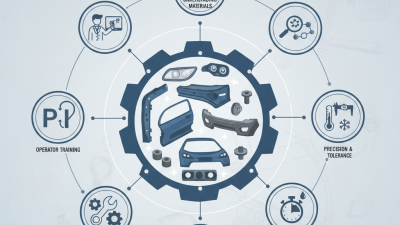
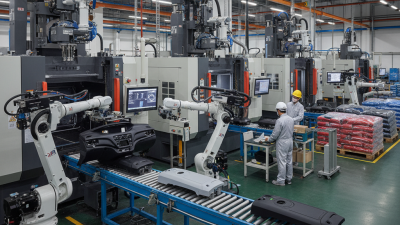
Integrating automation into the process can also help maintain consistent cycle times. Automated systems can optimize the timing of injection and cooling phases, ensuring uniformity. Although automation can improve efficiency, it also demands thorough training for operators. Balancing technology with human oversight is vital for maintaining quality. In this ever-evolving landscape, frequent assessments of techniques and practices are necessary for ongoing improvement.
Quality Control Measures in Automotive Injection Molding Processes
Quality control is crucial in automotive injection molding processes. The industry faces intense pressure to ensure that parts meet rigorous safety and performance standards. According to a report by the Society of Automotive Engineers (SAE), over 75% of automotive recalls are due to component failures. This highlights the importance of stringent quality measures throughout the production cycle.
Implementing a systematic approach to quality control can significantly reduce defects. Advanced technologies such as Automated Optical Inspection (AOI) and machine learning for predictive analytics offer robust solutions. A study from the American Society for Quality stated that companies that adopt these technologies report a 30% reduction in defect rates. Regular monitoring and data collection during manufacturing are essential. Real-time feedback can aid in addressing issues promptly, thereby averting costly rework and material waste.
Despite these advancements, challenges persist. Many manufacturers still rely on outdated practices. This can lead to inconsistency in product quality. Additionally, training for skilled technicians is not always prioritized, creating gaps in knowledge. Ensuring that every employee understands quality control processes can make a substantial difference. Investing in workforce education can further enhance product reliability and safety.
How to Optimize Injection Molding for Automotive Parts Production?
| Parameter |
Optimal Value |
Impact on Quality |
Control Method |
| Injection Speed |
45-55 cm/s |
Reduces defects such as air traps |
Monitor through machine settings |
| Melt Temperature |
220-250 °C |
Ensures proper flow and minimizes viscosity |
Regular temperature checks |
| Cooling Time |
15-20 seconds |
Prevents warping and dimensional inaccuracies |
Use of cooling time calculators |
| Injection Pressure |
80-120 MPa |
Improves part density and surface finish |
Pressure gauges and monitoring software |
| Material Dryness |
< 0.03% moisture |
Reduces surface defects and discoloration |
Moisture analyzers |