Why Choose Custom Automotive Plastic Injection Molding for Your Needs?
In the automotive industry, the demand for lightweight and durable materials continues to rise. Custom Automotive Plastic Injection Molding has emerged as a vital solution for manufacturers. According to a report by MarketsandMarkets, the global automotive plastic market is projected to reach USD 50 billion by 2025. This trend underscores the essential role of custom molding in producing tailored components that meet specific automotive requirements.
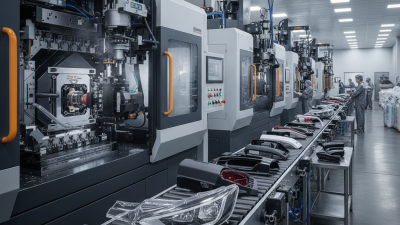
Efficiency is a key factor driving the adoption of Custom Automotive Plastic Injection Molding. This process allows manufacturers to create complex shapes and designs that are difficult to achieve with traditional methods. The flexibility of plastic injection molding enables cost-effective production, especially in large volumes. However, it is crucial to select the right materials and techniques to avoid common pitfalls, such as structural weaknesses or surface imperfections.
Despite its advantages, challenges remain in implementing custom solutions. Variability in material properties and the need for precise specifications can complicate the process. Industry leaders suggest constant innovation to address these issues. Relying on expert consultation can significantly enhance the outcome. Custom Automotive Plastic Injection Molding offers remarkable opportunities for automotive manufacturers, but success demands careful planning and execution.
Understanding Custom Automotive Plastic Injection Molding Applications
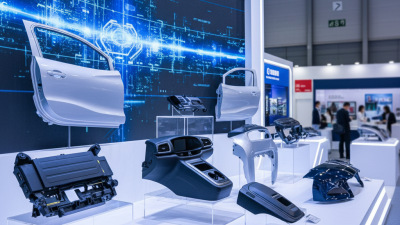
Custom automotive plastic injection molding plays a crucial role in various applications within the automotive industry. This process allows manufacturers to create complex parts tailored to specific vehicle requirements. According to industry reports, the automotive sector accounted for approximately 30% of the global plastic injection molding market in 2021. This illustrates the importance of precise tooling and material selection, particularly in components like dashboards, bumpers, and interior trim.
One significant advantage of custom molding is the ability to reduce weight without compromising strength. Lightweight plastics can improve fuel efficiency, a necessity in today’s eco-conscious market. For instance, a report by the International Energy Agency showed that reducing vehicle weight by 10% can enhance fuel economy by 5-7%. However, transitioning from traditional materials to advanced composites can pose challenges. The complexity of design and costs of production may require deep expertise and careful planning.
Additionally, the integration of new technologies like 3D printing and automation is reshaping the landscape. These advancements can streamline production but also introduce potential flaws if not managed properly. Companies must continuously evaluate quality control measures to mitigate issues such as warping or inconsistent finishes. Attention to these potential pitfalls is essential for maintaining the reliability and reputation of automotive components produced through custom plastic injection molding.
Why Choose Custom Automotive Plastic Injection Molding for Your Needs? - Understanding Custom Automotive Plastic Injection Molding Applications
| Application Area |
Material Type |
Benefits |
Common Parts Manufactured |
| Interior Components |
ABS, PVC |
Lightweight, Customizable |
Dashboards, Console Covers |
| Exterior Components |
Polypropylene, Polycarbonate |
Durable, Weather Resistant |
Bumpers, Grilles |
| Under-the-Hood Components |
Nylon, Polyamide |
Heat Resistant, Chemical Resistant |
Housings, Engine Covers |
| Electrical Components |
Polyethylene, PC/ABS Blend |
Insulating, Lightweight |
Switches, Connectors |
Advantages of Custom Plastic Injection Molding in Automotive Industry
Custom plastic injection molding offers significant advantages in the automotive industry. This process allows manufacturers to create unique components tailored to specific vehicle requirements. With precision and efficiency, it reduces waste and enhances production speed.
One key benefit is the ability to produce complex shapes that meet design specifications. Automotive parts often require intricate details that mass production cannot deliver. Custom molding can achieve high tolerances, ensuring parts fit perfectly in assembly lines.
Another advantage is material versatility. A wide range of plastics can be used, each providing distinct properties. This enables manufacturers to select materials based on performance, weight, and cost. However, choosing the right plastic can be challenging. It's crucial to evaluate the long-term impact on durability and sustainability. Balancing requirements and constraints requires careful consideration and expert guidance.
Key Considerations for Choosing a Plastic Injection Molding Partner
When selecting a plastic injection molding partner, it's crucial to consider their expertise. Look for companies that specialize in automotive applications. Their experience in this field often leads to better designs and efficient production processes. Check their portfolio for past projects, as this can showcase their capability to handle complex designs.
Understanding material options is also vital. Different plastics offer varying durability, weight, and cost-effectiveness. A reliable partner should help you navigate these choices. They should provide samples for you to assess. Sometimes, discussions reveal a gap in understanding, indicating areas for improvement in your design or material selection.
Effective communication is another key aspect. Ensure your partner is responsive and open to feedback. Molding projects can evolve, and adjustments may be needed during production. Look for a team that values collaboration. Their willingness to refine processes can significantly impact your project's success. As you evaluate potential partners, keep an eye out for those who are flexible yet skilled in their craft.
Cost-Effectiveness of Custom Plastic Solutions in Automotive Manufacturing
Custom automotive plastic injection molding is transforming the automotive industry. It allows for the creation of tailored parts that meet specific design requirements. This customization enhances vehicle performance and aesthetics. Moreover, businesses are discovering its cost-effectiveness.
Manufacturers can significantly reduce expenses by utilizing custom plastic solutions. Traditional manufacturing methods often involve higher labor and material costs. Custom molds optimize production efficiency. The right design can lead to less waste and lower unit costs. This is a crucial consideration for any automotive business.
Tips: Always assess your design needs carefully before proceeding. The precision of your molds can impact the final product. Regularly review production costs to identify areas for improvement. Embrace flexibility in your design process, as it may lead to innovative solutions. Prioritize collaboration with experienced manufacturers to ensure quality outcomes.
Innovations and Trends in Automotive Plastic Injection Molding Technology
The automotive industry is undergoing rapid changes. Innovations in plastic injection molding are at the forefront. This technology enhances design flexibility and production efficiency. New biodegradable materials are emerging. They reduce environmental impact while maintaining strength and durability.
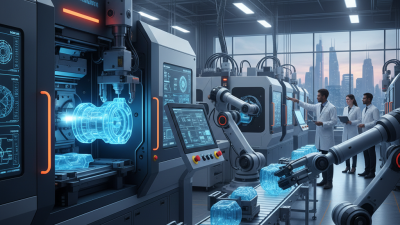
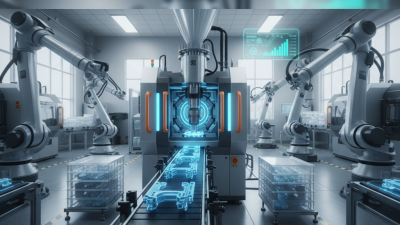
Smart manufacturing techniques are transforming production processes. Integrating AI and automation leads to consistent quality. Real-time monitoring identifies defects early, reducing waste. However, this shift poses challenges. Companies struggle with workforce training. Adapting to new technologies requires investment and time.
Customization is now more achievable. Brands can create unique components tailored to specific needs. Yet, keeping up with trends can be overwhelming. Rapid advancements may lead to rushed decisions without thorough evaluation. Businesses must carefully assess new technologies before implementation. Balancing innovation with sustainability remains essential.